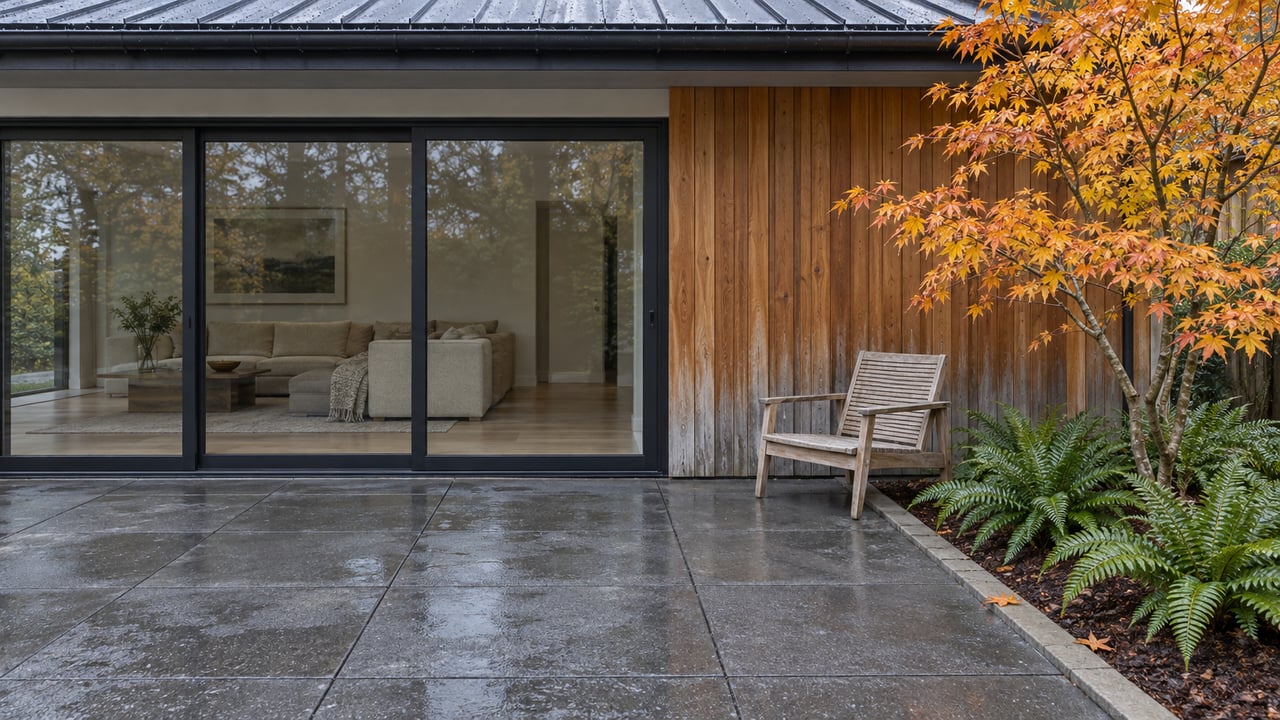
After Salmon Days, the Issaquah Hatchery Switches Species
How many of this fall's salmon had reached the Issaquah Salmon Hatchery by the time the festival tents came down on October 4?
For Chinook, nearly all of them. For coho, only a small share. The 57th annual Salmon Days ran October 3 and 4 in downtown Issaquah. Four days later, the Washington Department of Fish and Wildlife posted its weekly in-season hatchery escapement report. It counted 6,545 hatchery-origin adult Chinook and 592 jacks at Issaquah through October 7, 2026. Hatchery-origin adult coho through October 5 numbered 500.
In recent seasons those two species have arrived in similar numbers. The festival lands right as one finishes and the other gets going. For anyone who lives within walking distance of Issaquah Creek, the next several weeks bring a different fish to the hatchery, on a different schedule, with far fewer people around.
The Chinook number makes sense next to past seasons. The Friends of the Issaquah Salmon Hatchery posts updates through each season. On October 4, 2024, FISH reported about 6,500 Chinook trapped and about 100 coho in the trapping ponds. The final Chinook total that year, posted October 22, was 7,800 trapped. So in 2024, roughly five of every six Chinook had already reached the hatchery by the first week of October.
FISH's final 2025 numbers, posted November 18, 2025, show 4,955 Chinook arriving across August, September and October. As of October 7, the 2026 count is already above that full-season figure.
| Snapshot | Chinook | Coho |
|---|---|---|
| Oct. 4, 2024, FISH update | about 6,500 trapped | about 100 in ponds |
| Full 2024 season, FISH | 7,800 trapped | 5,075 trapped |
| Full 2025 season, FISH | 4,955 arrived | 5,200+ arrived |
| 2026 through early October, WDFW | 6,545 adults through Oct. 7 | 500 adults through Oct. 5 |
These figures come from different sources and use different labels, so read them as rough context rather than an exact year-over-year series. WDFW notes that its numbers are preliminary estimates. Hatchery counts also leave out fish that spawn below the facility, get harvested, die, or pass while the traps aren't running. The 2024 Chinook update shows how big that gap can be. FISH estimated 18,500 Chinook moved through fish passage that year, compared with 7,800 trapped.
The coho figures matter more for the coming weeks. In 2024, coho went from about 100 in the ponds on October 4 to 5,075 trapped by mid-November. In 2025, FISH reported more than 5,200 coho, all arriving in October. If this year follows that pattern, most of 2026's coho are still somewhere between Lake Sammamish and the hatchery ladder. That estimate rests on past seasons. Neither FISH nor WDFW has published a projection.
Through the rest of October, the adult holding ponds and viewing windows will hold both species, with the mix changing week by week. FISH lists the hatchery grounds at 125 W. Sunset Way as open daily from dawn to dusk. The fish ladder, holding ponds and viewing windows put the salmon a few feet away. The indoor aquarium room, viewing windows, restrooms and theater are open 8:30 a.m. to 4 p.m.
King County's salmon and trout identification guide gives two markers you can check through the glass:
The tail is the easier check, because a fish holding in the current shows its tail far more often than its mouth. Two weeks after the festival, you're more likely to see a clean lower tail lobe. One month after, the ponds should be mostly coho.
The same guide gives regional spawning windows of September through mid-December for Chinook and mid-October through early January for coho. These are King County-wide ranges. No source gives a peak date for Issaquah Creek specifically. FISH describes Issaquah's run as lasting from late August through November.
The hatchery was built in 1936 and raises both Chinook and coho, which return through Lake Sammamish and up Issaquah Creek. Spawning is when WDFW staff and FISH volunteers collect eggs, and it happens on set days. In 2024, the first two spawning days fell on a Tuesday and a Wednesday, October 1 and 2.
This year's work is well along. Through October 7, WDFW recorded 2,462,709 Chinook eggs taken and 1,327 Chinook spawned at Issaquah. For comparison, FISH's 2025 season total was 3,430,000 Chinook eggs.
FISH's 2026 salmon viewing page lists Tuesday and Wednesday mornings in October as spawning days. An August 27 post from Visit Issaquah mentions Tuesdays only. Neither source gives a start time. If you're planning around a Wednesday visit, call FISH first. In late October, the eggs being collected will increasingly come from coho.
Guided tours run 50 minutes and cost $10 per person. FISH recommends booking at least a week ahead for a preferred date.
The hatchery traps only part of the run, so the creek is worth walking too. The Salmon Days organizers list these viewing points:
FISH also offers a printable viewing map.
The creek has been changing too. A September 30, 2026 city update on Issaquah Creek restoration describes adding woody debris, building side channels, culvert work and native plantings. Grants and stormwater fees pay for much of it. That is watershed work, separate from hatchery operations. It shapes the creek that fish spawning below the hatchery depend on.
Not every fish that reaches the hatchery stays there. WDFW recorded 193 wild-origin adult Chinook at Issaquah through October 7, and 87 of them were released. In 2025, FISH reported 1,438 adult coho released upstream.
Coho releases reach well beyond Issaquah. In 2025, FISH reported 515 adult coho released into Coal Creek in Bellevue and 489 into Bear Creek in Redmond. In 2024, 1,434 adult coho went into Coal Creek. Some of the late-season fish that pass through Issaquah finish the season in streams across the Eastside.
FISH's October calendar follows the same route. Its free Salmon Migration Discovery Walks take place at Lake Sammamish State Park on October 18 and in Redmond on October 24 and 25, from 10 a.m. to 2 p.m. each day. FISH's October 7 post doesn't list a November event. Its viewing page says weekend activities continue from August through November.
The season ends with the coho. In 2024, FISH's final coho numbers were posted November 14. In 2025, the final figures were posted November 18. Hours shrink as that date approaches. FISH's visitor page lists gift shop hours of 10 a.m. to 2 p.m. Monday through Thursday and 10 a.m. to 6 p.m. on weekends from August through October. November hours drop to 10 a.m. to 4 p.m., Saturday and Sunday only. FISH's 2026 viewing page gives slightly different gift shop hours, so check before a weekday visit.
The grounds stay open from dawn to dusk throughout. On a weekday morning in late October, the ponds at 125 W. Sunset Way will hold mostly coho, and there will be far fewer visitors than on festival weekend.
Living in Issaquah means having a fall run of thousands of fish a short walk from downtown, and the weeks after Salmon Days are a good time to see it. At Michael Nix, we pay attention to local details like this one, because they're part of what makes a neighborhood home. If you'd like to talk about life along Issaquah Creek or anywhere else on the Eastside, Let's Connect.
Stay up to date on the latest real estate trends.
Whether it is an investment in your first home, a luxury property, or an addition to your real estate portfolio, Michael provides a high degree of customized hospitality and professionalism to every client. His world-class service takes many forms and he treats every transaction as its own unique entity.