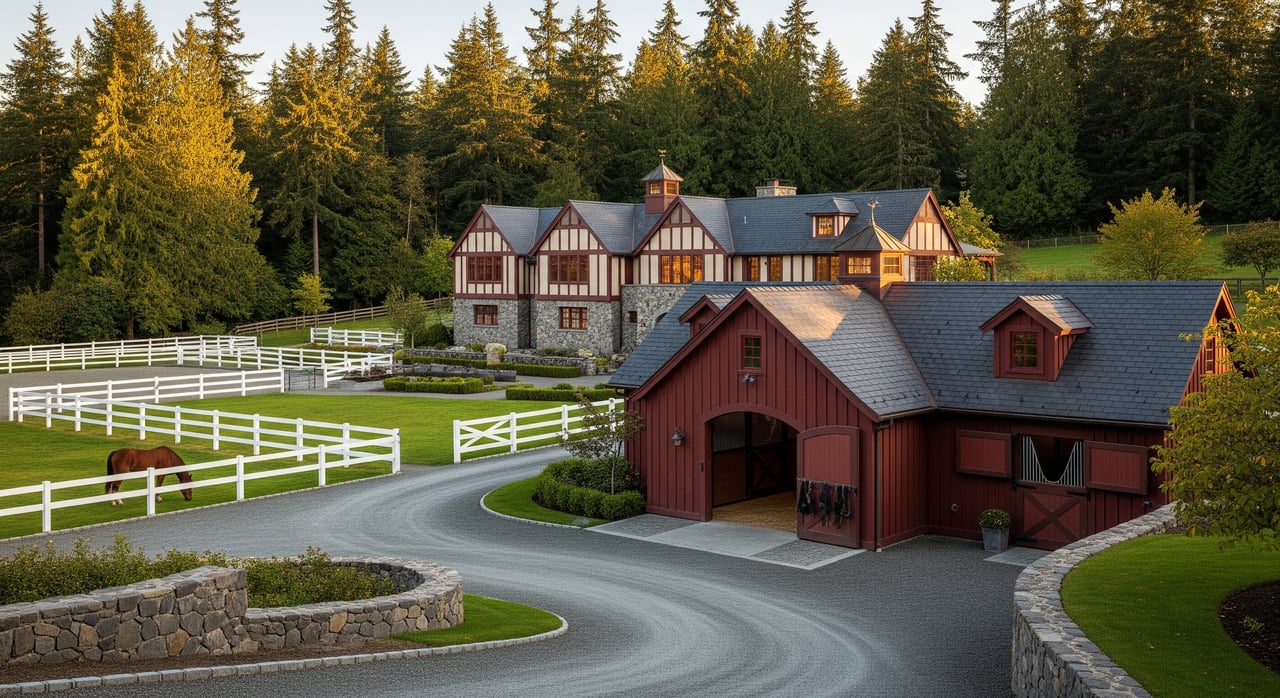
Strategy to Sell Your Bridle Trails Equestrian Property
Thinking about selling your Bridle Trails equestrian property but want to keep it discreet and effective? You are not alone. Horse-ready acreage attracts a specialized buyer pool, and the best outcomes come from a focused plan that highlights the right features while protecting your privacy. In this guide, you will learn exactly what equestrian buyers expect, which documents and inspections to prepare, and how a white-glove campaign reaches qualified buyers without unnecessary exposure. Let’s dive in.
Bridle Trails sits beside Bridle Trails State Park on the Eastside, close to Bellevue, Kirkland, and Redmond. That unique position draws both active equestrians and lifestyle buyers who want trails, privacy, and city access. The buyer pool is more niche than a conventional single-family listing, so targeted outreach and expert presentation matter. When you highlight trail access, usable acreage, and well-documented systems, you meet buyer expectations from day one.
Usable acreage is more important than raw acreage. Buyers look for fenced paddocks, good drainage, and flat or gently sloped turnout that keeps horses safe and dry. Cross-fencing, gate placement, and a logical flow from barn to arena and turnout can elevate perceived value. Steep, heavily treed areas are less desirable for daily use and may require explanation or mapping to show how the land works.
Serious buyers focus on stall count and size, aisle width, and well-designed tack and feed rooms. Wash and vet areas, safe manure storage, and efficient ventilation and lighting are high-value details. A covered or all-weather arena is a major draw, especially with documented footing composition and drainage. Round pens, hotwalkers, and run-in shelters add practical utility that resonates with trainers and owner-operators.
Water and septic documentation is a must. Buyers want well yield, irrigation options, frost-free hydrants, and service records for septic capacity. Electrical service that supports barn equipment and potential generators is another key point. Arena base, footing depth, and drainage plans help buyers understand maintenance and year-round usability.
Proximity to Bridle Trails State Park access can be a headline feature. Buyers also care about local demand for boarding or training, plus access to hay suppliers, farriers, and veterinarians. Convenient hauling routes and trailer turnaround space are practical needs that can make your property stand out.
Privacy, scenic outlooks, and a quiet neighborhood with other equestrian owners can support your price position. Many buyers want easy access to Eastside amenities while keeping horses at home. Make sure your photos and video convey both the equestrian utility and the lifestyle benefits.
You can choose a controlled launch that limits broad public exposure while still reaching serious buyers. Options include private or office-only listing pathways where allowed by the local MLS. You can prequalify buyers before sharing full materials, require NDAs for detailed information, and manage showings through a dedicated listing broker. This approach protects your privacy and ensures that only appropriate, vetted parties step onto your property.
Professional photography should spotlight equine features: stalls and aisles, arena and footing, paddocks and fencing, and trailer access. Aerial and drone imagery with parcel overlays make the layout clear at a glance. A narrated video tour that covers barns, arena, and operational highlights can reduce unnecessary in-person visits while still engaging qualified buyers. A 3D tour and measured floor plans give remote or relocating buyers confidence before they schedule a showing.
A parcel map that overlays fencing, paddocks, barn and arena locations, manure storage, well and septic, and driveway geometry is invaluable. Include slope or topography visuals to show usable areas and hauling paths. Buyers also want to understand easements, setbacks, and any critical-area buffers. If applicable, provide FEMA flood zone context and an access map that shows gates, nearest roads, and realistic trailer routes.
Direct broker-to-broker outreach to Eastside agents who handle equestrian and luxury listings is often the fastest path to qualified traffic. Complement that with outreach to regional equestrian organizations, local trainers, and boarding facilities. Selective placement on established equine marketplaces and carefully targeted social channels can broaden exposure without compromising privacy. Curated broker open houses and discreet materials at local horse shows or clinics can attract active equestrians.
Set clear protocols to protect animals and property. Require prequalification and a signed confidentiality and liability waiver before booking tours. Limit barn access, use disposable boot covers, and avoid entering stalls. Schedule showings to avoid feeding, turnout, or ride times and offer private evening or early morning tours if that better suits your routine.
Confirm the current zoning and allowed uses to avoid surprises during negotiations. Zoning influences the number of large animals, accessory structures like barns or covered arenas, and setbacks from property lines and critical areas. If your property is near parkland or waterways, review critical-area regulations and any trail or conservation easements. Gathering permit histories for barns, arenas, and improvements gives buyers confidence that the property is compliant.
Many acreage parcels rely on wells and septic systems, so expect buyers to ask for well yield, water quality data if available, septic design, pump records, and recent repairs or replacements. Note any environmental or critical-area considerations such as wetlands or stream buffers. If your property lies in a wildfire-prone area, be ready to address defensible space recommendations and access requirements.
Equestrian operations bring distinct insurance needs that differ from a standard home. Be prepared to discuss coverage types such as equine liability and policies for barns or arenas, and disclose known hazards or prior incidents in line with state requirements. Buyers will often explore insurance options early in their decision-making, so transparency helps keep momentum.
Comparable sales for horse properties are often limited. Adjust for the number of usable acres, stall count and barn design, arena quality and coverage, fencing type and condition, and trail access. Proximity to Eastside amenities can also influence price and demand.
Where comps are thin, the replacement value of barns, arenas, and high-cost improvements can help anchor negotiations. Detailed specifications, permits, and maintenance records will support your pricing story.
Use an appraiser who understands rural and equestrian properties and the Eastside market. A credible appraisal provides a defensible list price and smoother underwriting during closing.
Selling an equestrian property is not just another listing. It is a specialized process that blends zoning knowledge, careful documentation, and buyer-specific marketing. With a hospitality-first approach, you get attentive communication, curated presentation, and privacy protocols that protect your time and property. With brokerage-scale tools, you reach the right buyers without sacrificing discretion.
If you are considering a sale in Bridle Trails, let’s build a plan that fits your goals and timeline. Connect with Michael Nix to discuss valuation, pre-list preparations, and a confidential, white-glove launch.
Stay up to date on the latest real estate trends.
Whether it is an investment in your first home, a luxury property, or an addition to your real estate portfolio, Michael provides a high degree of customized hospitality and professionalism to every client. His world-class service takes many forms and he treats every transaction as its own unique entity.