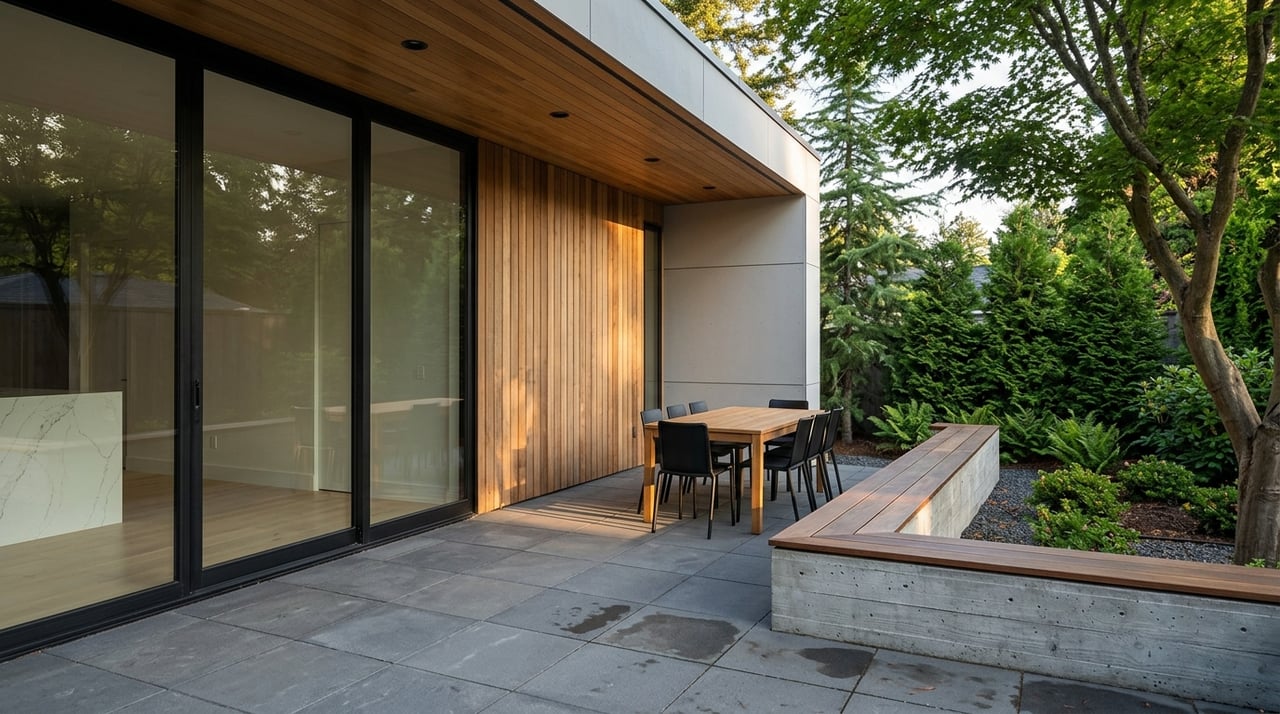
Clyde Hill vs Yarrow Point vs Hunts Point: A Lifestyle Guide
If you are deciding between Clyde Hill, Yarrow Point, and Hunts Point, the hard part is that all three are prestigious Eastside locations, but they live very differently day to day. A home search here is not just about price or square footage. It is also about whether you want elevation, shoreline, privacy, or easier regional access. This guide breaks down how these three micro-markets compare so you can focus your search with more confidence. Let’s dive in.
Although these communities sit close together, they are not interchangeable. According to Clyde Hill’s draft comprehensive plan, Clyde Hill is a landlocked hilltop setting. By contrast, Yarrow Point is a compact peninsula bordered on three sides by Lake Washington, while Hunts Point is a narrow peninsula with a stronger shoreline identity and a more secluded feel.
In practical terms, your choice usually comes down to four things: access, lot character, relationship to the water, and overall street feel. Those differences can shape everything from your daily drive to the kind of long-term property value you are buying into.
Clyde Hill covers about one square mile and sits east of Seattle, bordered by Bellevue, Kirkland, Medina, Yarrow Point, and Hunts Point. The city describes itself as centrally located within the Seattle-Bellevue metro area, with traffic patterns closely tied to SR-520 access. That makes Clyde Hill the most road-oriented of the three rather than shoreline-oriented.
The housing profile is also distinct. Clyde Hill is primarily low-density single-family residential, with a 20,000-square-foot minimum lot size and some smaller legacy lots that pre-date incorporation. The city is also considered fully built out, so buyers often find a mix of older parcels, rebuilds, and larger homes on hillside lots rather than waterfront parcels.
What draws many buyers here is the elevated setting. Clyde Hill has no shoreline within city limits, so the appeal is less about direct water access and more about broad outlooks, including territorial views and views toward Lake Washington, Seattle, Bellevue, and the Olympic and Cascade mountains, as outlined in the city’s planning materials.
Yarrow Point offers a more compact peninsula experience. The town spans 231 acres and has one entry and exit, along with 4.32 miles of streets, according to the town’s official website. That limited street network tends to create a more contained and quieter circulation pattern than Clyde Hill’s broader road layout.
Its lot mix is more varied than many buyers expect. Yarrow Point’s 2024 comprehensive plan notes about 439 residential lots, with 422 listed as single-family residences as of April 2024. Planning materials show smaller R-12 lots in the center of town and larger R-15 lots along the shoreline and southern boundary.
Yarrow Point stands out for balance. The town says about one quarter of its homes have waterfront locations or water access, while the rest range from expansive to territorial view properties. In other words, Yarrow Point gives you a real mix of waterfront and view-driven living, rather than leaning heavily in just one direction.
Hunts Point is the most secluded of the three in both shape and setting. The town’s 2025 comprehensive plan describes the peninsula as about one mile long and less than one-quarter mile wide at its widest point. That geometry naturally creates a more enclosed and private feel.
The lot pattern is also more estate-oriented. Hunts Point includes 191 single-family residential lots across about 205 acres, with larger-lot zoning that reinforces its lower-density character. On the north peninsula, many lots front both Hunts Point Road and the Lake Washington shoreline, which adds to the area’s waterfront identity.
King County’s 2024 residential area report adds more context, noting that typical homes are mansion quality, average more than 5,000 square feet, and often have 80 to 100 feet of waterfront. The town also emphasizes privacy and its urban forest setting, with tree canopy covering roughly 42% of the community.
If easy regional access matters most, Clyde Hill generally has the clearest edge. Because it is centrally located and closely tied to SR-520, it functions more like a hilltop residential base with practical road access to Seattle and Bellevue. For buyers who expect frequent cross-lake or Eastside travel, that can be a meaningful advantage.
Yarrow Point is still well positioned, but it feels more contained. With one entry and exit and a smaller internal street network, it tends to feel more tucked in. The town notes that it remains a short drive or bike ride west to Seattle and east to Kirkland or Bellevue, so you still get strong regional convenience with a more enclosed neighborhood layout.
Hunts Point also offers access to Bellevue, Kirkland, and nearby transit points through the regional bike corridor and Points Loop Trail connection. Still, among the three, it is the most secluded in its physical layout. If you want convenience first, Clyde Hill may stand out. If you want privacy first, Hunts Point may feel more compelling.
The lot story here is simple, but important. Clyde Hill tends to offer hillside residential parcels in a fully built environment, with larger minimum lot standards and a mix of established homes and rebuild opportunities. It feels more like a mature luxury residential grid than a shoreline enclave.
Yarrow Point is more mixed in scale. Some homes sit on smaller interior lots, while shoreline and southern lots tend to be larger. The shoreline master program also notes that many waterfront parcels are long and narrow and not easy to subdivide, which helps explain why the built form remains relatively established.
Hunts Point is the clearest fit if you are specifically searching for estate-scale presence. Its zoning, lower lot count, and shoreline pattern support a more private, expansive property profile. For buyers prioritizing lot size and separation, Hunts Point often rises to the top of the shortlist.
This may be the biggest decision point of all. If your vision of home includes shoreline frontage, dock potential, or a property whose value is closely tied to direct water orientation, Clyde Hill is not the match. The city has no shoreline within its boundaries.
That does not make Clyde Hill less compelling. It simply shifts the value proposition toward elevation and view corridors. Buyers often choose Clyde Hill for outlook, centrality, and larger hilltop homes rather than for direct lake access.
Yarrow Point sits in the middle. It offers a meaningful mix of waterfront homes, water-access homes, and non-waterfront view homes. If you want the possibility of waterfront living but also want to consider view homes on a true peninsula, Yarrow Point gives you more variety.
Hunts Point is the strongest shoreline play. The town’s identity is closely tied to waterfront living, waterfront property management, and wooded privacy. If the water is central to your search, Hunts Point deserves close attention.
Clyde Hill feels the most open and connected to the broader Eastside road network. It is residential and low density, but it does not have the same enclosed peninsula feeling as the other two. For some buyers, that openness feels convenient and polished.
Yarrow Point feels more intimate. The one-entry layout, peninsula geography, and open-space assets such as Wetherill Nature Preserve and the Points Loop Trail create a quieter small-town feel while keeping Bellevue and Seattle nearby. It can be a strong middle ground for buyers who want a sense of retreat without going all the way into estate-style seclusion.
Hunts Point feels the most private. Its narrow shape, extensive tree canopy, and low-density lot pattern make it the most secluded option of the three. If you want a wooded, shoreline-oriented setting with strong privacy cues, Hunts Point is likely to stand out.
| Area | Best Known For | Waterfront Presence | Lot Character | Overall Feel |
|---|---|---|---|---|
| Clyde Hill | Elevation, views, central access | None within city limits | Larger hilltop lots, fully built out | Open, connected, view-centric |
| Yarrow Point | Peninsula living with flexibility | Meaningful mix of waterfront and water access | Mixed lot sizes, from interior to shoreline lots | Compact, serene, balanced |
| Hunts Point | Privacy, estate scale, shoreline character | Strongest waterfront orientation | Larger estate-style lots | Secluded, wooded, shoreline-focused |
Clyde Hill may be the best fit if you want a central Eastside location, elevated outlooks, and a home that feels connected to Bellevue and Seattle access points. It is especially appealing if your priorities lean toward views and convenience over shoreline frontage.
Yarrow Point may fit best if you want a true peninsula setting with a mix of waterfront and view possibilities. It offers a contained street pattern and a smaller-scale feel while still staying close to major Eastside and Seattle destinations.
Hunts Point may be the strongest match if privacy, larger lots, and shoreline character are leading your search. It offers the most secluded feel of the three and the clearest estate-style waterfront identity.
When buyers compare these micro-markets, the answer is rarely about which one is better overall. It is about which lifestyle priorities matter most to you. If you want help narrowing the options and understanding how each pocket fits your goals, Michael Nix can help you evaluate the tradeoffs and move forward with clarity.
Stay up to date on the latest real estate trends.
Whether it is an investment in your first home, a luxury property, or an addition to your real estate portfolio, Michael provides a high degree of customized hospitality and professionalism to every client. His world-class service takes many forms and he treats every transaction as its own unique entity.