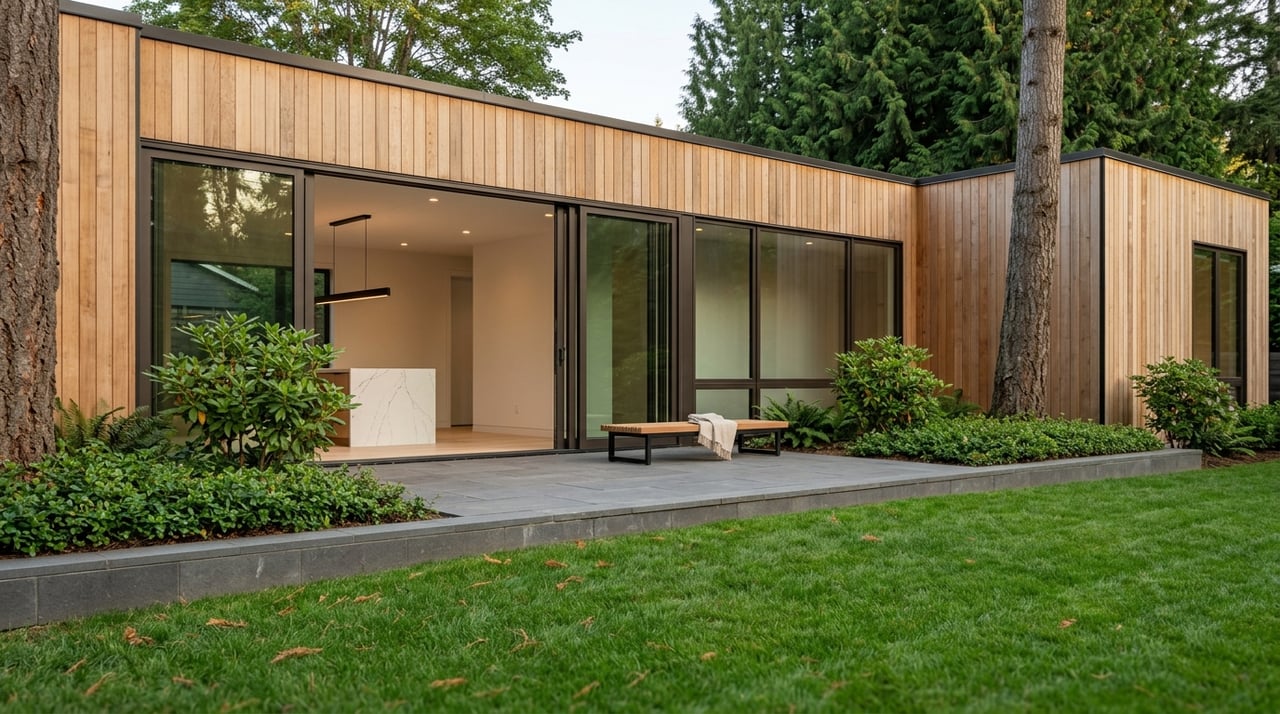
What Buyers Should Know About Hunts Point Estate Homes
If you are looking at Hunts Point, you are not shopping for a typical Eastside home. You are stepping into one of the region’s most private and tightly held residential enclaves, where lot quality, shoreline orientation, and long-term usability often matter as much as the house itself. Understanding what buyers expect here can help you make a smarter purchase or position a property more effectively for sale. Let’s dive in.
Hunts Point is a very small, mostly built-out residential town on the eastern shore of Lake Washington, just north of SR-520. According to the town and King County’s 2025 jurisdiction snapshot, it has about 460 residents, about 90% owner-occupancy, and a 2023 median property value of $5.98 million.
That profile helps explain why Hunts Point reads as an estate market. The town’s 2025-2045 comprehensive plan describes a peninsula roughly one mile long and less than one-quarter mile wide at its widest point, with 191 single-family lots across 205 acres, no commercial district, and very limited room for new development.
For you as a buyer, that means inventory is shaped by scarcity. For you as a seller, it means buyers are often paying close attention to qualities that are hard to replicate elsewhere, such as privacy, shoreline access, and how a home sits on its land.
Privacy is a major part of the Hunts Point appeal. The town describes itself as a single-family residential community that values privacy and waterfront access, and that identity shows up in both the land use pattern and the landscape.
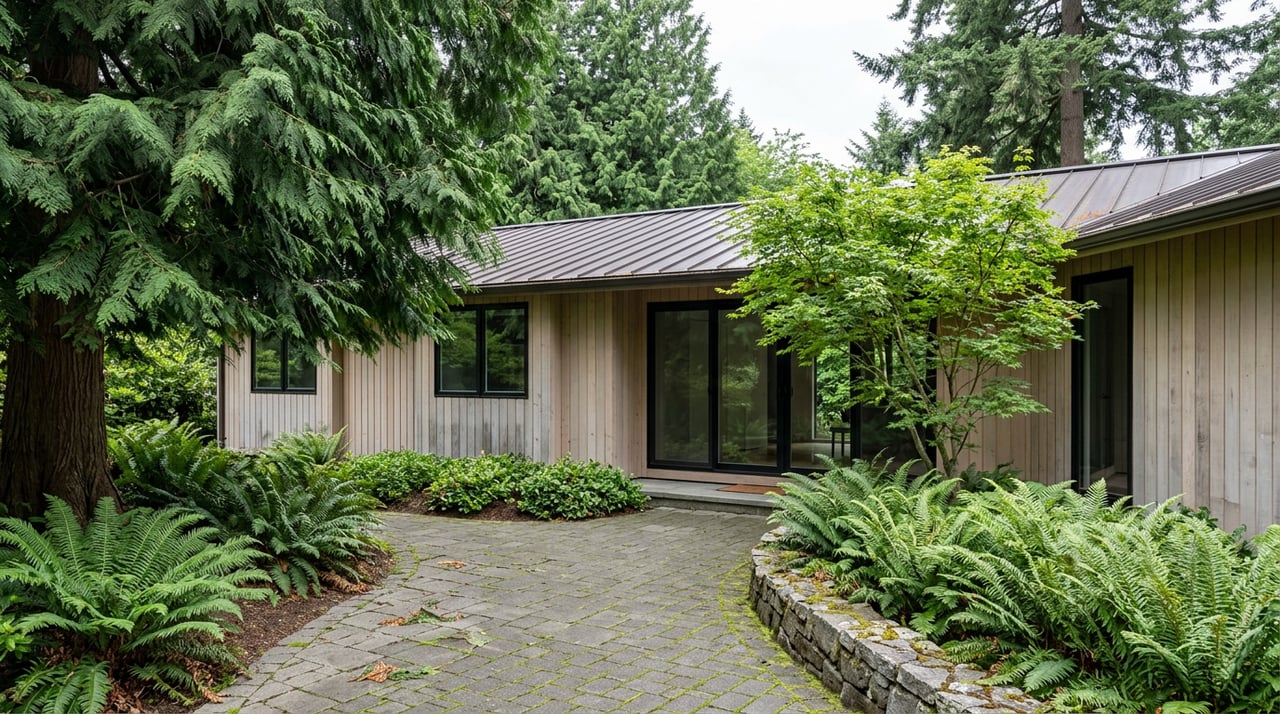
Buyers often expect mature trees, layered landscaping, and separation from neighboring homes. In Hunts Point, privacy is not just a nice extra. It is often part of the core value of the property.
Unlike neighborhoods built around a single subdivision pattern, Hunts Point offers a wide range of parcel sizes and settings. The town’s zoning districts include minimum lot sizes of 40,000, 20,000, and 12,000 square feet, and the comprehensive plan says lots range from 12,000 square feet to over an acre.
That means buyers tend to look beyond simple square footage. They are often comparing water orientation, usable level yard space, driveway access, and the relationship between the house and the lot.
For waterfront buyers, the shoreline is a major part of the decision. The town’s Shoreline Master Program governs Lake Washington shoreline property, which the comprehensive plan describes as a shoreline of statewide significance.
In practical terms, buyers often want clarity on water access, dock or moorage usability, and whether future plans for renovation or improvements could trigger shoreline review. A beautiful house on the water may still require careful due diligence if the shoreline features are central to your goals.
Hunts Point is not defined by density. It is defined by space, setbacks, and the feel of individual estates on detached lots. The comprehensive plan notes that the peninsula area north of the 3200 block, zoned R-40, includes many lots with frontage on both Hunts Point Road and the Lake Washington shoreline.
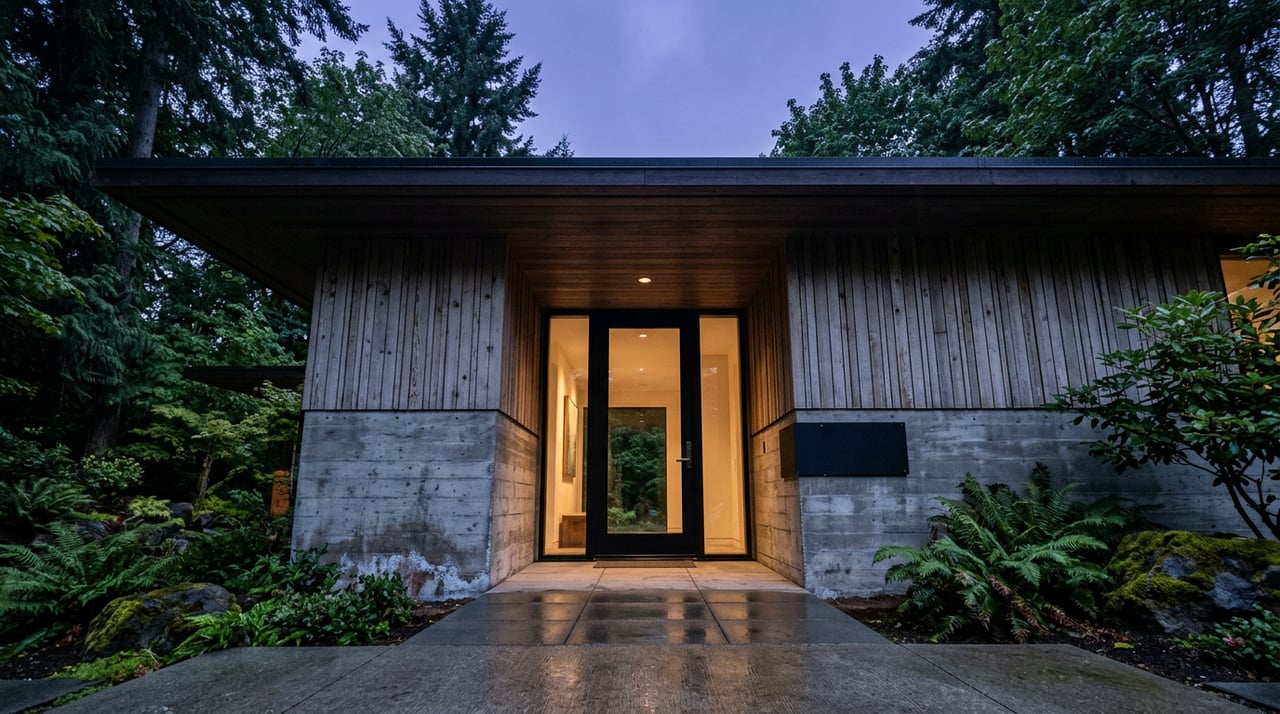
That kind of layout can create a very different ownership experience from a more conventional luxury neighborhood. Buyers often place real value on approach, entry sequence, and how much of the site feels usable and private.
The town’s tree canopy is a defining feature. The comprehensive plan says canopy cover is roughly 42% overall, nearly 90% in residential zones, and about 50% on privately owned lots, with a town objective to preserve 50% canopy cover.
For buyers, this usually supports the sense of retreat that makes Hunts Point so distinctive. For sellers, it is a reminder that landscaping, screening, and tree retention are often part of how the property is perceived in the market.
The wooded character is not limited to private lots. The comprehensive plan also points to the Wetherill Nature Preserve and the five-mile Points Loop Trail network, both of which reinforce the low-density and natural feel of the town.
That broader setting shapes expectations. Buyers often come to Hunts Point looking for a quiet, established environment where the land and surroundings feel as curated as the home itself.
Hunts Point is a mature single-family community, and the housing stock reflects that. The comprehensive plan says residents are more likely to renovate existing structures than replace them, which helps explain why buyers may encounter both older homes with renovation potential and newer or heavily updated estates.
This is not a market with one dominant architectural style. Instead, the housing stock tends to reflect the age of the town, the size of the parcels, and the fact that many homes have been adapted over time to fit modern expectations.
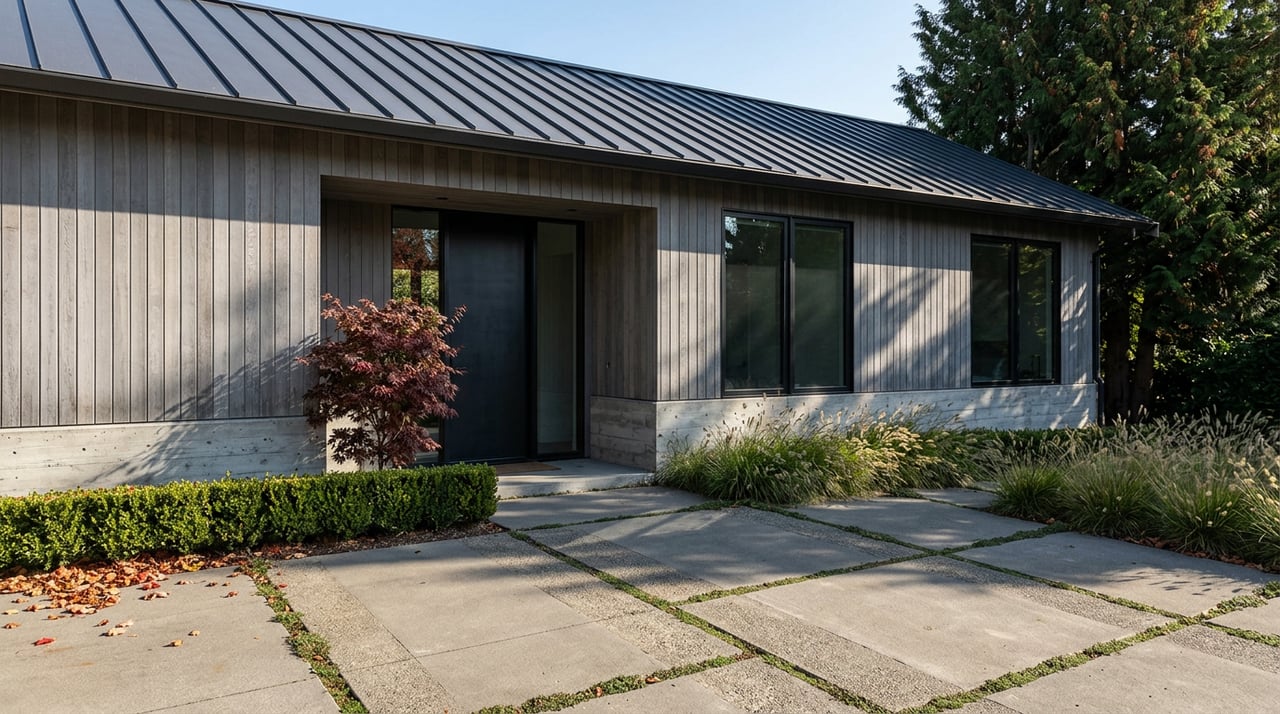
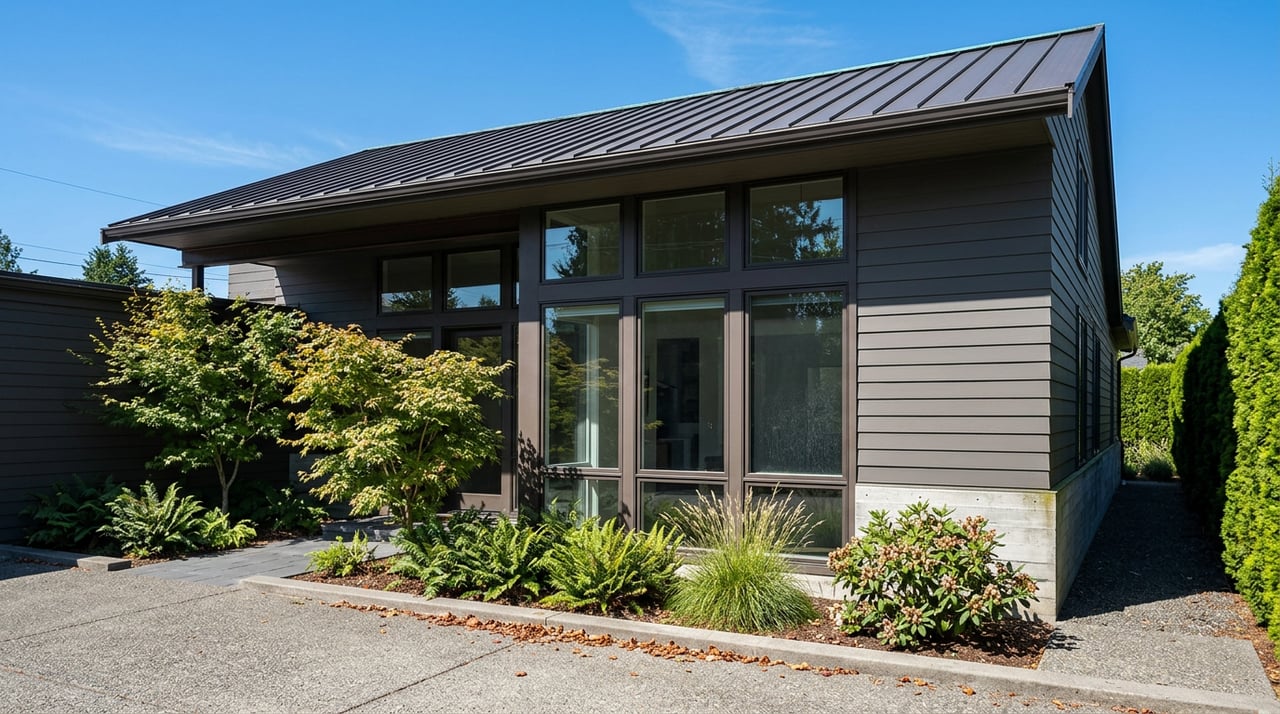
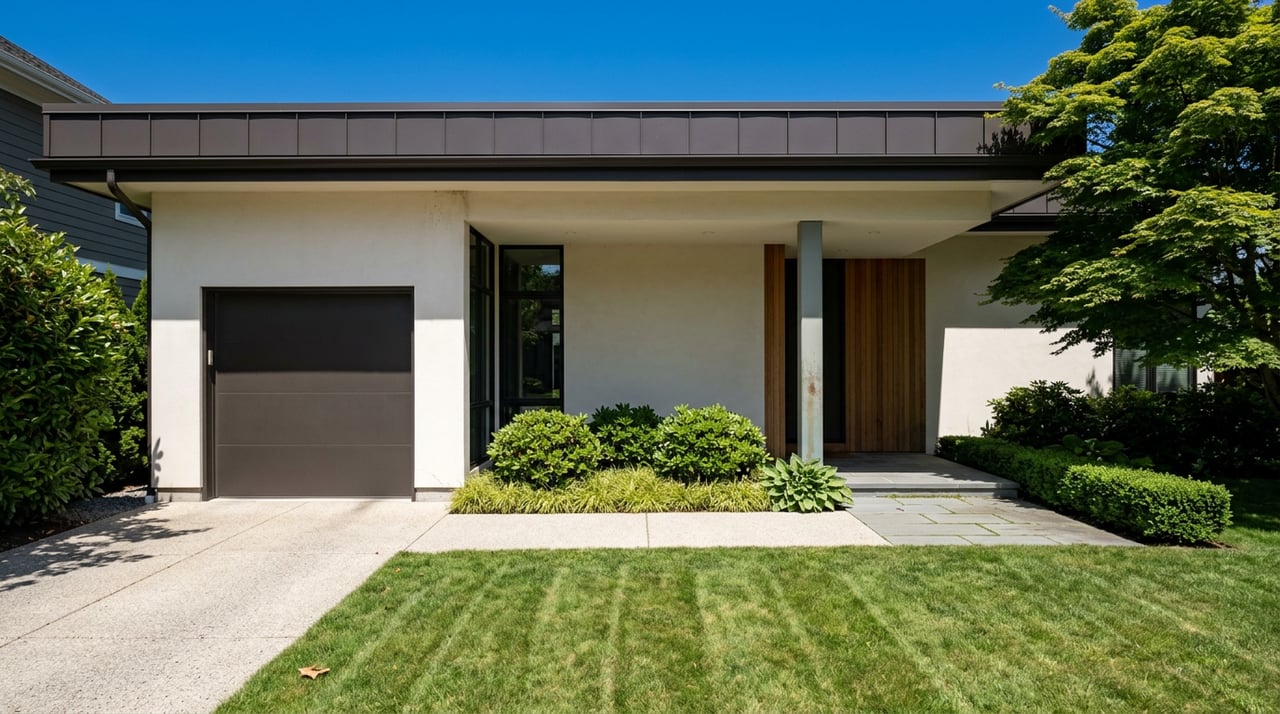
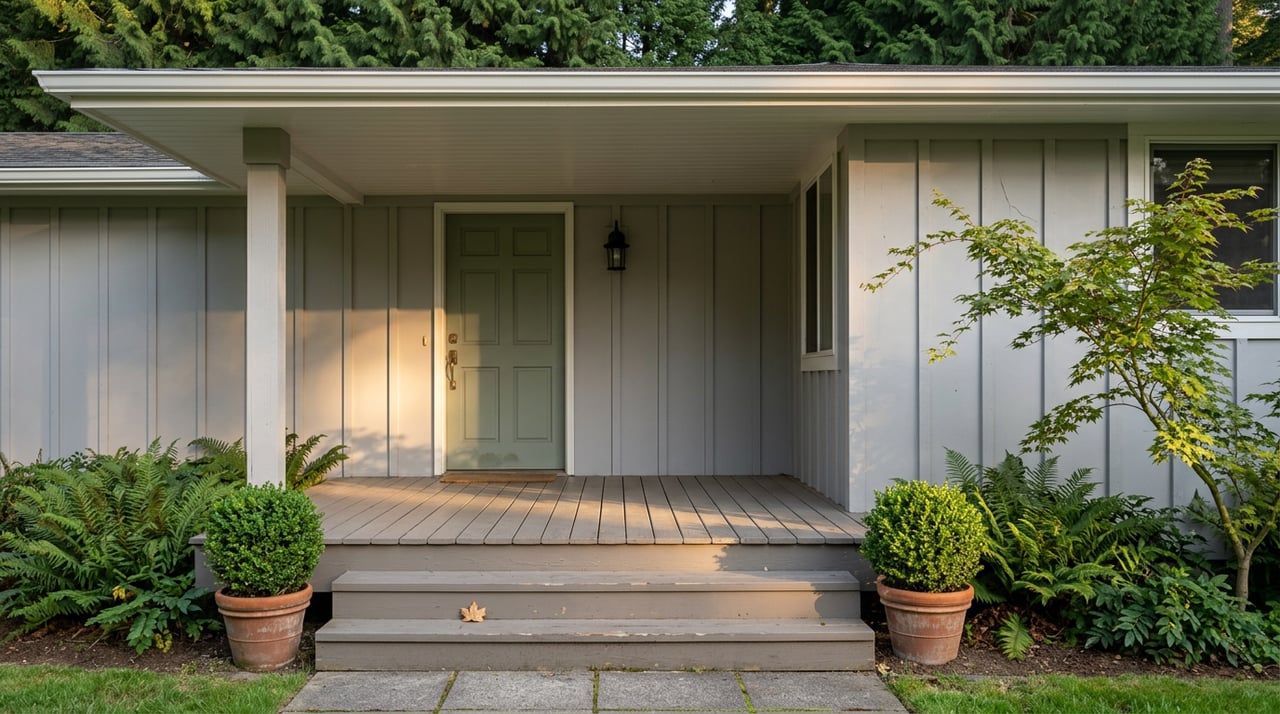
Recent listing examples in the research show a range of property types, from remodeled ramblers and mid-century homes to contemporary waterfront estates. What ties them together is not one specific design language, but how well the home responds to the site.
In Hunts Point, buyers are often drawn to orientation, privacy, outdoor living potential, and connection to the shoreline or landscape. Interior finishes matter, of course, but they are usually part of a bigger story about the property as a whole.
If you are considering a waterfront property, you will want to understand the local permit environment early. The comprehensive plan notes that shoreline-related projects in Hunts Point can involve private piers, bulkheads, and maintenance dredging of man-made coves and moorage.
That does not mean every property is complicated. It does mean buyers should confirm what exists, what is permitted, and how future work could be reviewed under local shoreline rules.
The town says zoning sets density and structure scale, while the site development code addresses excavation, grading, retaining walls, impervious surfaces, runoff, and silt control. The hearing examiner handles shoreline permits, variances, and conditional-use permits through a public process.
For buyers, this means the feasibility of a remodel or rebuild may depend on more than design ideas and budget. For sellers, it means a property’s development context can materially shape how buyers judge its long-term potential.
Major work in Hunts Point may also require more planning than you would expect in a typical neighborhood. The town states that construction vehicles generally may not park anywhere in town outside private parking, and commercial vehicles are tightly restricted.
If you are buying with renovation in mind, logistics should be part of your early review. If you are selling a property with improvement potential, it helps to understand that buyers may be weighing execution risk as well as design opportunity.
Many buyers begin with a simple question: does this property deliver the kind of privacy, water access, and estate feel they came to Hunts Point for? Because the town is almost entirely single-family residential and has no commercial district, the appeal is closely tied to its quiet residential identity.
That is why two homes at similar price points may be judged very differently. The setting, the approach, and the feeling of retreat can strongly influence perceived value.
In Hunts Point, the parcel is often as important as the structure. Buyers may look closely at lot shape, topography, usable outdoor space, tree coverage, and orientation to the lake.
This is especially true because the town is largely built out and offers limited room for new development. What already exists on the site, and what can realistically be improved, often carries significant weight.
Estate buyers in Hunts Point are often evaluating not only current enjoyment, but also future flexibility. They may want to know whether the home can be updated over time, whether the site supports their lifestyle goals, and whether the property’s privacy and natural setting are likely to remain meaningful assets.
That long-range view is one reason local knowledge matters so much in this market. The details that affect value here are often highly specific to the property and the town’s rules.
In Hunts Point, buyers are often buying a combination of land, setting, and lifestyle. That means sellers benefit from presenting not just finishes and room count, but also lot usability, orientation, landscaping, shoreline features, and the overall feeling of privacy.
This kind of positioning can be especially important in a market where no two properties are exactly alike. Clear presentation helps buyers understand why a property stands out.
Well-informed buyers in Hunts Point often ask thoughtful questions about site conditions and future options. They may want to understand shoreline elements, tree coverage, renovation history, or practical considerations tied to development rules.
Being ready for that level of diligence can support a smoother process. In a market like this, preparation often helps protect both momentum and value.
Hunts Point can be deceptively simple at first glance. It is a quiet, beautiful residential town, but the factors that drive value are layered and highly property-specific.
If you are buying, you need a clear view of the site, the setting, and the rules that could affect future use. If you are selling, you want a strategy that highlights the qualities buyers actually care about here, from privacy and shoreline orientation to long-term usability and estate character.
If you are considering a move in Hunts Point or anywhere on the Eastside, Michael Nix offers a hospitality-driven, high-touch approach backed by strong local market insight to help you navigate every step with confidence.
Stay up to date on the latest real estate trends.
Whether it is an investment in your first home, a luxury property, or an addition to your real estate portfolio, Michael provides a high degree of customized hospitality and professionalism to every client. His world-class service takes many forms and he treats every transaction as its own unique entity.